





Ws Casino Reviews And First Impressions
A casino often tells you a lot in the first few minutes. Imagine opening the platform after dinner, seeing a bold banner, and feeling ready to jump into a game at once. The smarter move is slower. Check the account menu, find the cashier, look for support, and see whether ordinary actions feel clear before your money and time become part of the session.
First impressions matter because they shape how quickly a player starts trusting the flow. If the balance area is easy to read, the game lobby is simple to navigate, and the next step feels obvious without pressure, the evening starts on solid ground. If the layout feels noisy or rushed, that is also useful information. Confusion rarely gets better after a deposit.
Account Setup And Safer Access
The account is the base of the whole experience. If the profile is accurate, later actions feel ordinary. If the profile is rushed, simple tasks can turn into irritating delays. Imagine signing up with an old email because it is faster, saving the password on a shared device, and promising yourself you will fix everything later. Later usually arrives at the exact moment when you need the account to work smoothly.
Use real information from the beginning. Choose an email address you actually check, a password you can manage safely, and personal details that match the documents and payment options you expect to use. These steps are not glamorous, yet they reduce the chance that a normal login or account prompt becomes a support problem.
A private device changes the quality of the session more than most players admit. If you log in from a borrowed laptop, allow the browser to remember everything, and then walk away without thinking, convenience can create more trouble than any missed offer. The stronger habit is simple: use devices you control, sign out when the device is not fully yours, and avoid handling money or profile changes when you are distracted.
Ws Reviews In Daily Account Use
Usually players notice account quality only when something goes wrong. Picture someone creating a profile in a hurry because the lobby feels more interesting than the form. A few days later the same player needs to reset access or answer an account prompt, and the shortcut suddenly becomes real work. A better routine treats registration as part of play. Read each field once, check it once more, and make sure the information will still make sense a month from now, not just tonight.
Cashier Habits And Budget Planning
The cashier deserves full attention. Imagine seeing a reward in the account, opening the payment section immediately, and adding funds before you have even decided how much money belongs to the evening. That is how many sessions lose structure.
Budget planning matters here more than anywhere else. A deposit should support a session you already planned. It should not rescue a session that has already slipped away from you. If you enter the payment flow without a number in mind, the platform will not create discipline for you. That part still belongs to the player.
Withdrawals need the same calm approach. Players often expect them to feel instant because the request itself only takes a few clicks. In practice, what happens next can depend on the chosen option, the state of the profile, and the message shown on screen. If something looks unusual, the first smart step is not anger. It is information. Check the date, the amount, the method, and the account notice before deciding whether support is actually needed.
Player Area | What To Check | Better Action |
|---|---|---|
Profile | Email, name, current details | Keep everything accurate from day one |
Cashier | Amount, payment option, confirmation text | Approve only after reading the full prompt |
Balance View | Cash funds, bonus funds, active play balance | Know which balance is being used |
Limits Menu | Deposit cap, session reminder, break tools | Set boundaries before opening a game |
Support Route | Topic, message field, key facts | Prepare a short timeline before writing |
Exit Point | Time spent, budget used, current mood | Leave when the preset stop point arrives |
Reading The Payment Flow Before You Confirm
Picture a player adding money while half-distracted, clicking through the confirmation screen quickly, and only afterward noticing that the amount or option was not what they intended. That mistake is common because the cashier often feels administrative instead of strategic. In reality, it is part of strategy. Slow down, read the page, and make sure the transaction supports the session you planned rather than the mood you happen to be in.
When A Withdrawal Feels Slower Than Expected
A delayed feeling does not always mean a real problem. Imagine submitting a request and checking the balance every few minutes, assuming silence means something went wrong. Usually the better move is to read the attached notice first, confirm that the profile details are still accurate, and then decide whether support is actually needed. Support works best with a timeline, not with panic. If you do need help, write clearly and mention what you already checked.
Games, Pace, And Session Fit
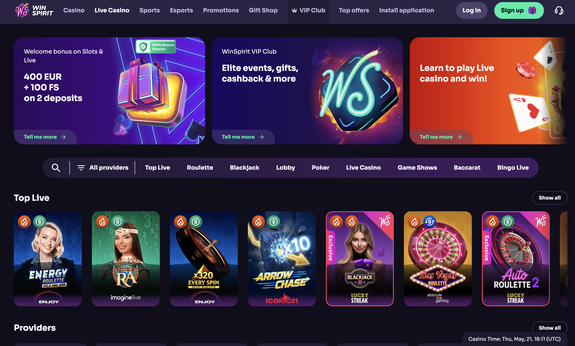
Game choice is not only about theme or graphics. It is also about rhythm, clarity, and how quickly the balance moves. Imagine opening the loudest title on the page because it looks exciting, then realising after a few spins that you do not fully understand the symbols or why the stake is moving through the bankroll faster than expected. That is not failure. It is information. The right response is to step back, read the rules, lower the stake, and decide whether the title actually fits your session.
Usually players do better when they narrow the choice. One or two games are easier to understand than six. A short session works especially well when the decisions are limited and the pace is clear. A longer session can handle more variety, but only if the budget and stop point were chosen before the lobby began pulling attention in different directions.
Matching Stakes To Your Mood
Mood affects decisions more than most players admit. Imagine logging in after a long day and choosing a fast, noisy title even though your focus already feels thin. What looked exciting a minute earlier can become irritating very quickly.
A better move is to notice the mismatch early. If the pace feels too sharp for your energy, reduce the stake, switch titles, or end the session. Good habits begin with honest self-reading, not with pretending every mood can handle every game.
Using Small Bets To Learn The Flow
A low-stake trial changes the quality of a session because it turns the first minutes into observation instead of commitment. Picture opening a new game and treating the first handful of rounds like a test.
You notice how the symbols behave, how the balance moves, and whether the feature information is actually easy to follow. If the answer is yes, you can continue with more confidence. If the answer is no, the lesson was cheap. That is exactly what you want from a first look.
Bonuses, Campaigns, And Offer Discipline
An offer only helps when it fits the plan you already had. Imagine sitting down for a short session, seeing extra value in the account, and suddenly deciding to stay twice as long because the reward makes it feel justified. In reality, the offer did not create discipline. It only created urgency. The player still has to decide whether the evening can support more time, more money, or more emotional energy.
That is why budget rules should be set before any campaign is used. Choose the amount you can comfortably spend, decide how long the session can run, and then ask whether the reward supports that structure or stretches it. Sometimes the answer is yes. Sometimes the smartest decision is to skip the offer because it asks for a kind of session you did not plan to play.
Promotions work best when they are treated as optional. The moment they become the reason the session exists, the player is already moving away from balance. A strong routine can include added value. It should never depend on it.
Mobile Play And Support Paths
Mobile access changes the rhythm of casino use. Imagine opening the platform on your phone while waiting for transport and telling yourself you are only checking one thing. Five minutes later you are in the cashier, then in a game, then back in the account menu because a banner pulled your attention sideways. The problem is not the phone itself. The problem is entering without a purpose.
Support is easiest to use when you find it before you need it. Imagine ending a messy session and writing that everything is broken. That may describe the feeling, but it does not give the support team much to work with. A better message includes the date, the section you were using, the action you took, and the exact text you saw on screen.
A Better Mobile Session Plan
Picture a player starting a quick session on the couch and drifting from one task to another because each new prompt feels easy to tap. That is how short visits quietly become messy. A better phone habit is to define the task before you log in. If the answer is “I am only checking my balance,” then stop after that. If the answer is “I am playing one game for twenty minutes,” set the time first and keep the screen activity limited to that plan. Mobile play works best when the session is smaller and clearer, not looser.
Writing Support Messages That Get Better Answers
Specific facts make support easier. Imagine two players describing the same issue. One writes a long complaint full of guesses. The other lists the date, the section, the action taken, and the message on screen. The second note usually gets further because it gives the support team something concrete to follow. Calm writing is not just polite. It is practical.
Safer Play Tools And A 2026 Routine
Break tools matter because they turn vague intentions into real barriers. Imagine noticing the same pattern twice in one week: you stay longer than planned, add another deposit because the mood changed, and end the night irritated instead of clear-headed. That is not always a dramatic crisis, but it is a sign that stronger structure would help. Deposit caps, session reminders, short timeouts, and longer exclusions exist for that exact moment.
A better 2026 routine is not complicated. Start with the account, choose the budget, pick the game, and define the stop point before you begin. If the platform offers extra value, fit it into that structure instead of letting it rewrite the whole evening.
When A Timeout Helps More Than Another Deposit
Imagine a session that began casually and slowly turned into chasing. The game is still open, the mood is worse, and one more deposit feels like the fastest way to repair the night. In that moment, a timeout usually helps more than more money. Step away, use the break tool if it is available, and let the account create distance when your own momentum will not. A short pause can reset a pattern before it becomes harder to stop.
Notes That Make Future Sessions Better
Most players remember the emotion of a session better than its structure. Imagine leaving the site with the feeling that the session went badly, but without knowing whether the real problem was the result, the game choice, or the fact that you ignored the original budget. A short note after each visit can answer that. Write down how long you played, whether you followed the spending plan, what game types suited your mood, and where the session began to drift. These notes do not need to be elaborate. They need to be honest.